Dubai’s population just crossed 4 million. Another 225,000 people are expected to arrive this year alone. That kind of growth doesn’t spread evenly across the city — it concentrates.
And knowing where it’s concentrating is one of the most valuable pieces of intelligence any buyer or investor can have right now.
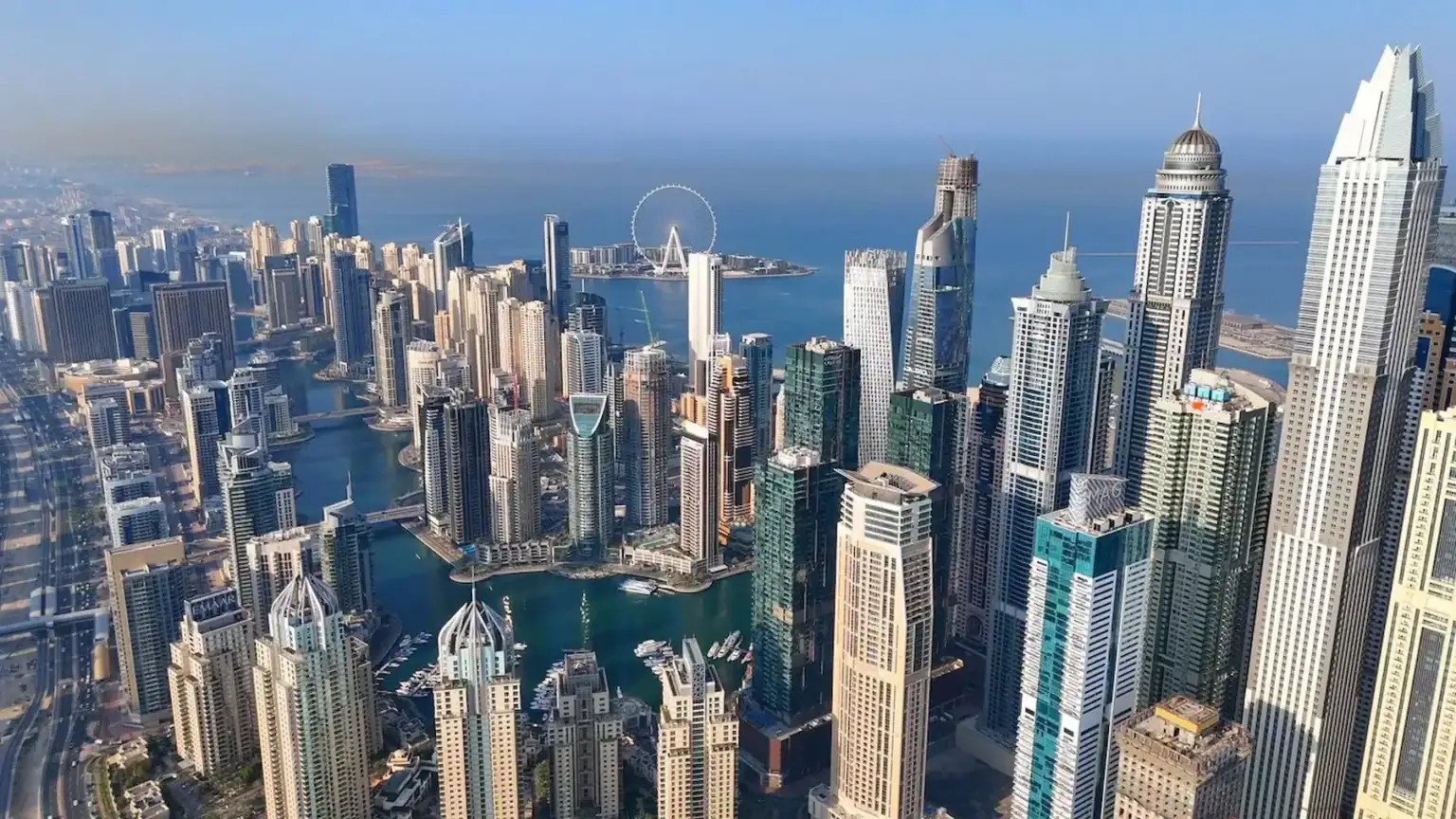
The City Is Growing Faster Than Most People Realise
Let’s put 225,000 new residents into perspective. That’s roughly the entire population of a mid-sized European city — arriving in Dubai in a single year.
Add that to a base that already grew by over 208,000 people in 2025, and you begin to understand the kind of structural demand pressure that is reshaping entire neighbourhoods in real time.
This is not a market driven by speculation. It is a market driven by people — real families, professionals, entrepreneurs, and remote workers — who are choosing Dubai as their permanent home.
They need somewhere to live. They need schools, supermarkets, parks, and commute times that make sense. And that very human checklist is quietly determining which communities win in 2026, and which ones get left behind.
So where are these 225,000 people actually going?
What drives a new resident’s decision
Before diving into the communities themselves, it’s worth understanding how a newly arriving resident in Dubai actually makes their housing decision — because it’s quite different from how an investor thinks.
A new resident asks:
- How far is this from my office or free zone?
- Are there good schools nearby for my children?
- Can I afford the rent now, with a realistic path to buying later?
- Is this a community with greenery, amenities, and people like me?
- How safe and well-managed does it feel?
- These questions — not yield tables or price-per-sqft charts — are what drive residential absorption. And the neighbourhoods that answer all five convincingly are the ones filling up fastest in 2026.
The communities absorbing Dubai’s growth right now
Master-planned family communities: The fastest-growing category
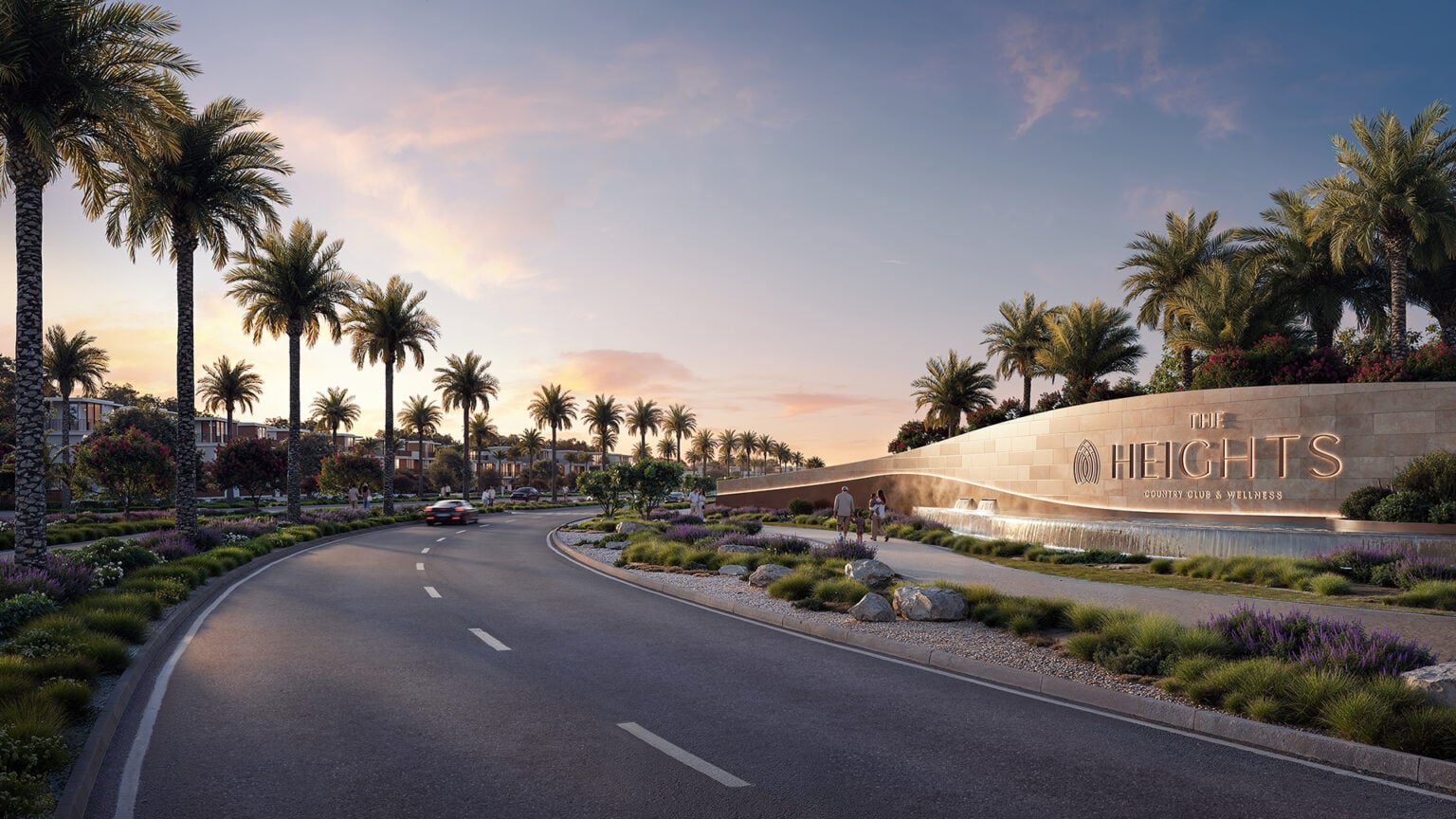
The single biggest trend in residential absorption in 2026 is the rise of master-planned communities on Dubai’s expanding periphery.
These are large-scale developments — often spanning several square kilometres — that include not just homes, but schools, retail, healthcare, parks, and community centres, all planned and built together.
Communities in this category are absorbing a disproportionate share of family relocation because they solve the biggest pain point for incoming residents: not knowing where to start.
When everything is built-in and walking distance, the decision to buy or rent becomes significantly easier.
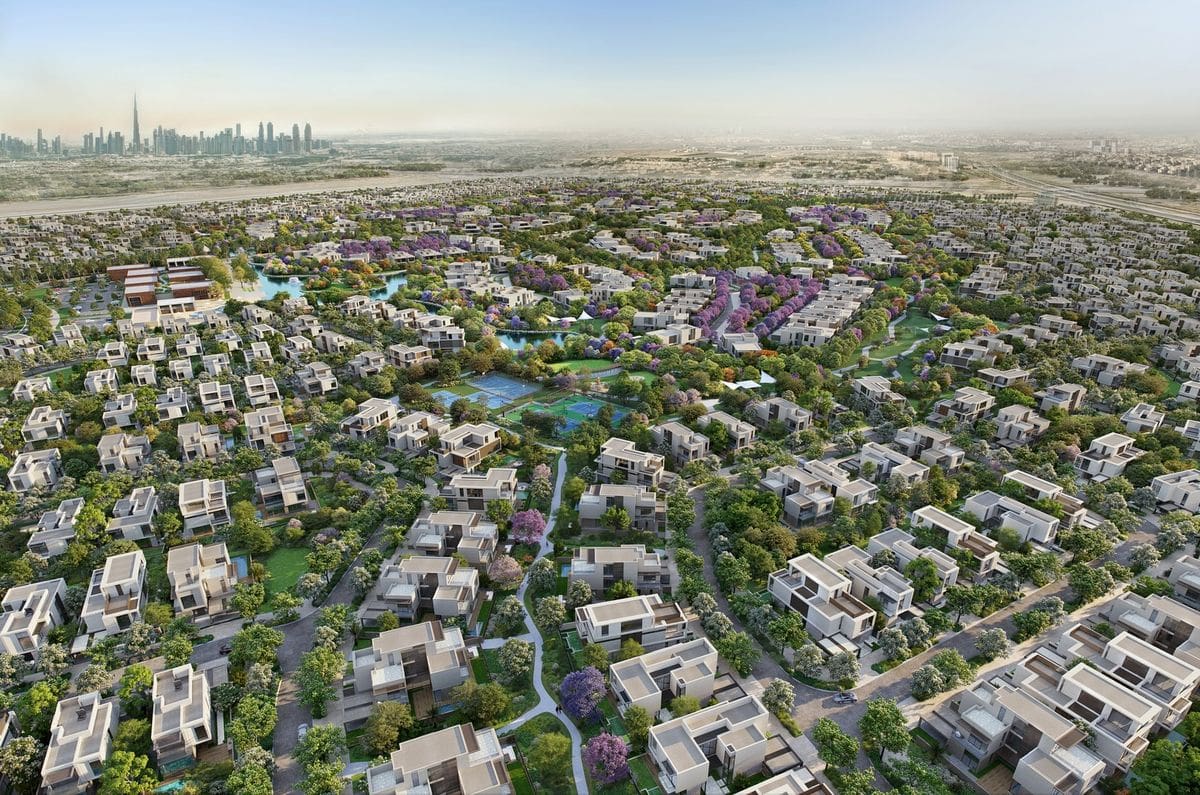
What’s particularly notable is that these communities are also among the most competitive to enter. Availability tightens quickly. New phases sell out within days of launch. And rental stock — when it does appear — gets absorbed within weeks, not months.
What to look for: Communities with completed infrastructure (not just promises), established retail and school options, and direct access to major road networks. The ones that have all three are the ones growing the fastest.
Affordable mid-market areas: Where the workforce is going
Not every new resident arriving in Dubai is an executive or entrepreneur.
A significant portion of the 225,000 are skilled professionals — healthcare workers, engineers, teachers, tech workers, and financial services staff — who earn well but are not yet at the luxury property tier.
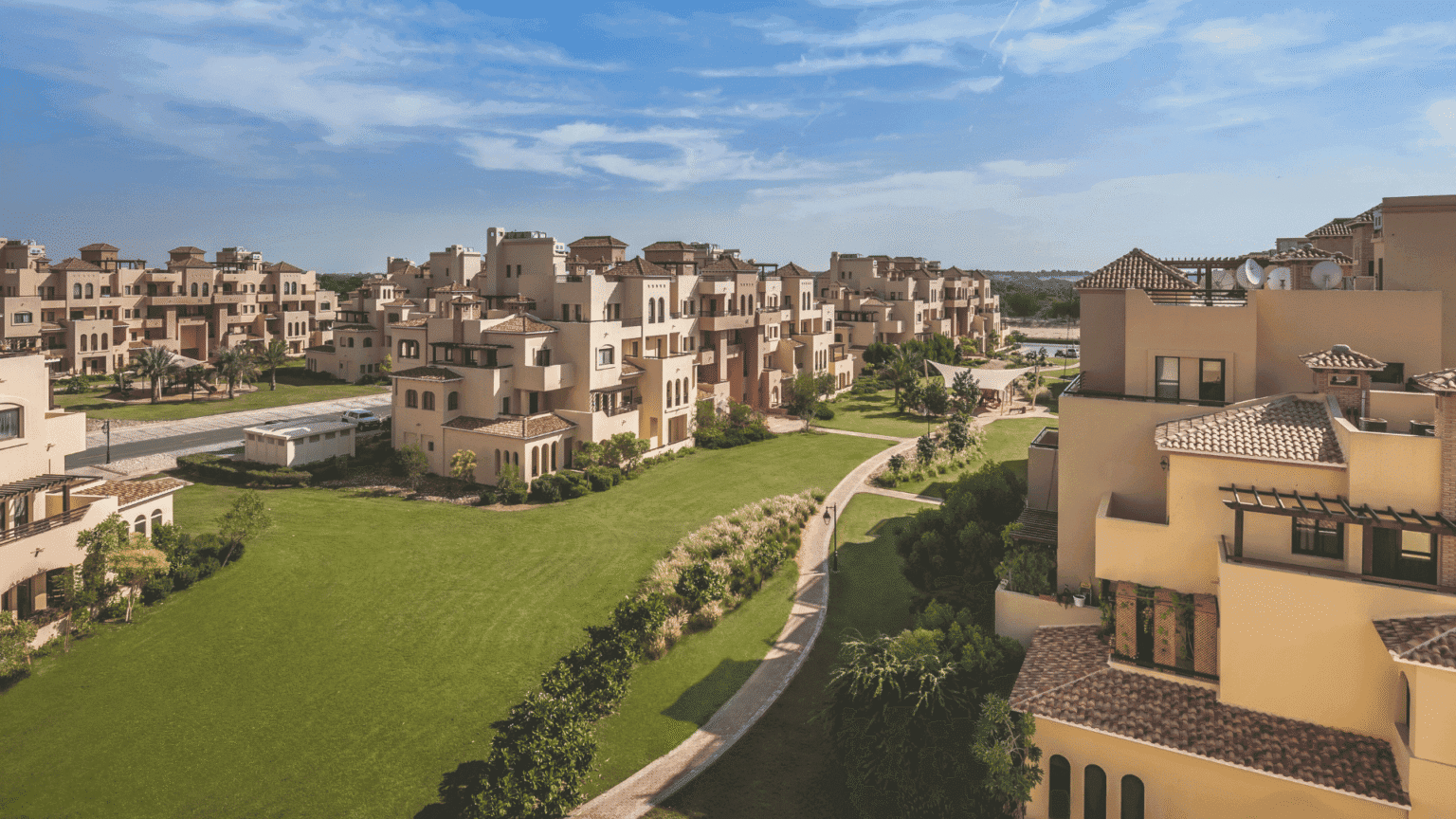
These buyers and renters are concentrating in well-connected mid-market communities that offer modern apartments, reasonable commute times, and a genuine community feel without the premium price tag of waterfront or Downtown addresses.
In 2026, these areas are experiencing some of the tightest rental markets Dubai has seen. Vacancy rates are low. Landlords are raising rents.
And a growing number of long-term renters are making the jump to buying — particularly as developers offer attractive off-plan payment plans that make monthly costs comparable to rent.
This is a critical insight for investors: the areas where renters are converting to buyers are the areas where capital growth follows.
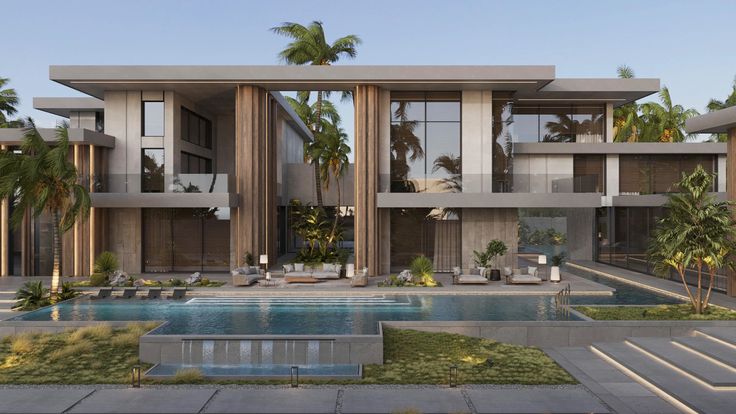
When people stop renting and start owning in a community, prices stabilise at a higher base and demand for remaining rental stock intensifies further.
What to look for: Mid-market communities with metro or major highway access, a high proportion of long-term tenants (low turnover), and a growing number of new retail and F&B openings — these are the leading indicators that a community is genuinely absorbing population rather than just cycling tenants.
Waterfront and lifestyle communities: Where the wealth is landing
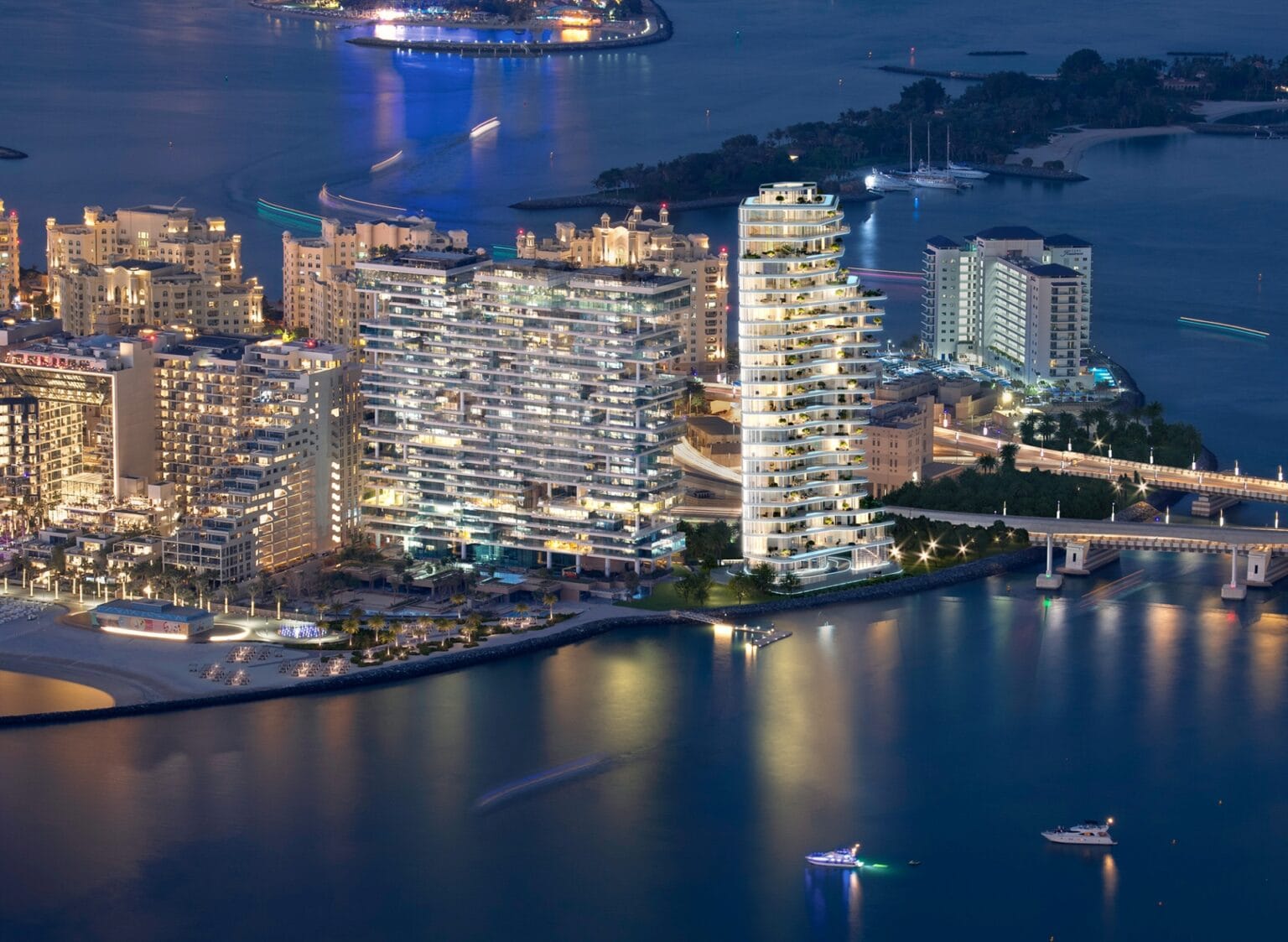
At the upper end of the incoming resident profile, Dubai is seeing a continued and accelerating influx of ultra-high-net-worth individuals and families — particularly from Europe, Russia, India, China, and the wider GCC — who are not just investing but relocating.
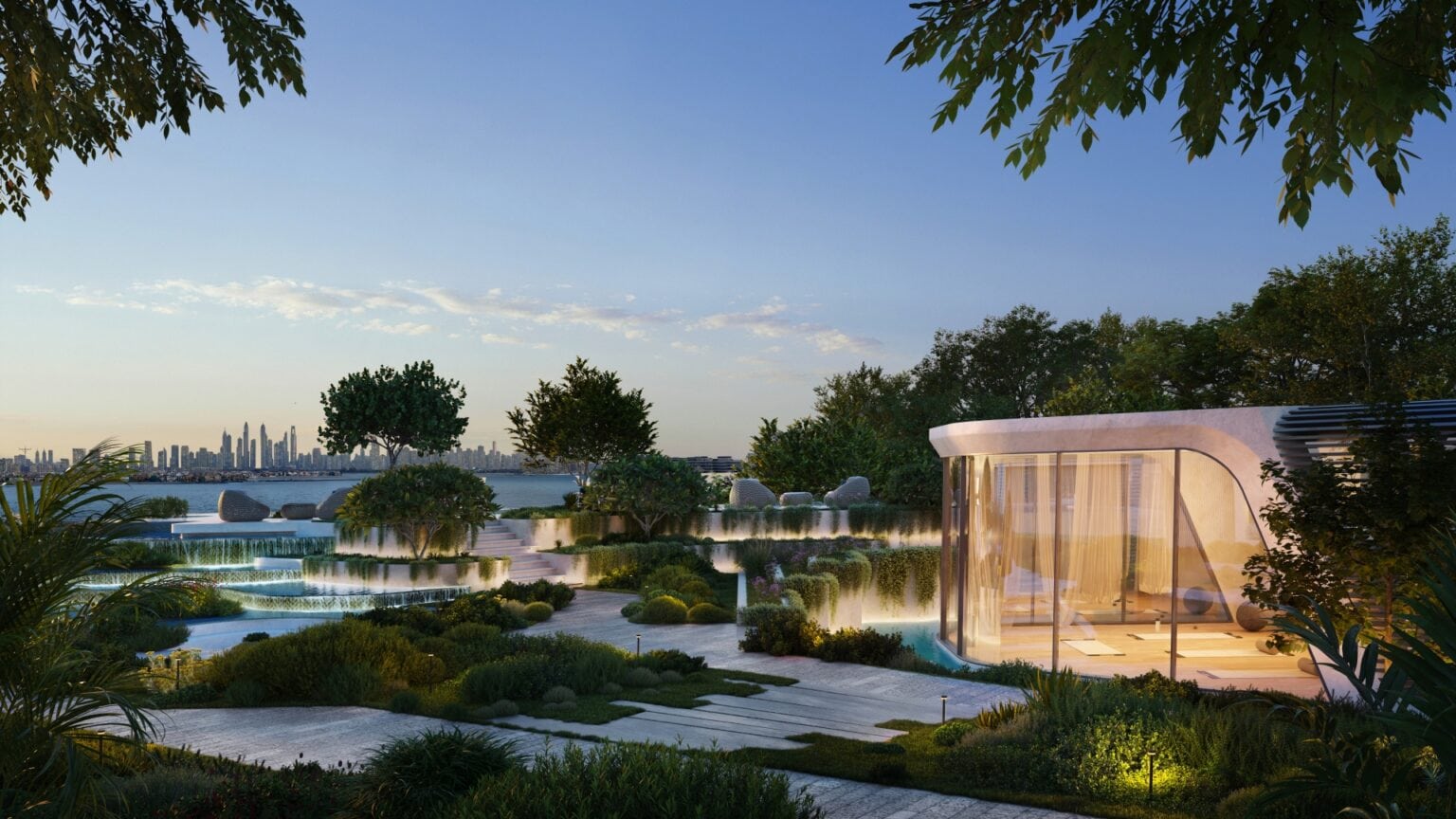
These buyers are not moving to be in a dense urban core. They are coming for space, privacy, prestige, and a lifestyle that simply does not exist at this price point in London, Geneva, or Singapore. They want the waterfront. They want a private pool. They want to drive through a gate and feel like they’ve arrived somewhere.
Branded residences are a defining trend in this segment in 2026.
Properties developed in partnership with globally recognised hotel brands — offering hotel-grade services, concierge, maintenance, and community management — are selling at significant premiums and absorbing wealthy incoming residents who want the best Dubai has to offer from day one, without the friction of setting up a home from scratch.
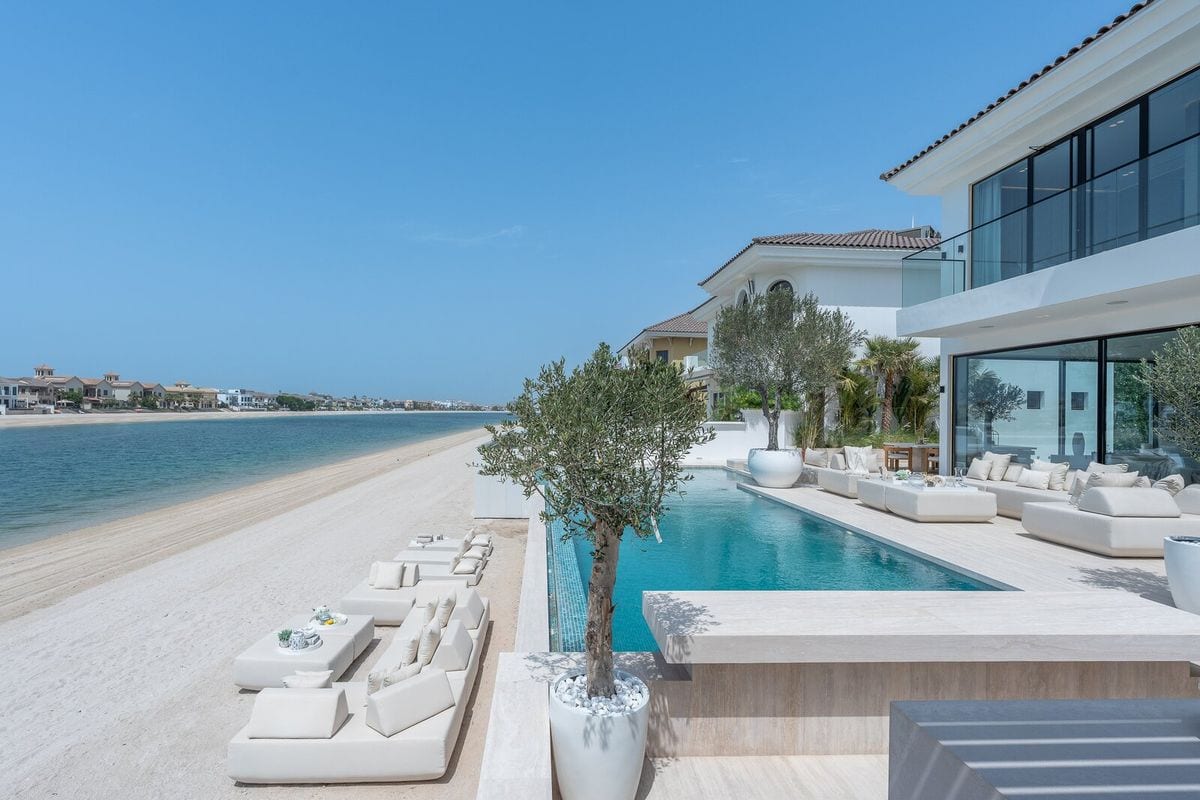
The supply of genuinely premium waterfront products in Dubai is limited. And as more ultra-high-net-worth individuals make Dubai their primary or secondary residence, that scarcity is only intensifying.
What to look for: Branded residence launches, waterfront plot developments, and communities with direct beach or marina access.
These are where the highest-value incoming residents are concentrating — and where price appreciation is structurally supported by supply constraints.
Emerging communities: Where the smart money is looking next
Every established community in Dubai today was once an emerging one.
The investors who bought in Arabian Ranches before it had a Carrefour, or in Downtown before the Burj Khalifa was finished, generated the kind of returns that make you read that sentence twice.
In 2026, a new generation of master-planned communities is in the early stages of that same journey. Dubai Islands, Palm Jebel Ali, and the future phases of several major government-backed master plans are beginning to launch — offering buyers the opportunity to enter a community at ground level, before the infrastructure is complete, and before the price curve inflects upward.
These are not appropriate for every buyer.

They require patience, a longer time horizon, and confidence in the developer and the master plan. But for investors who have that combination — and who understand that Dubai’s 225,000 annual incoming residents need somewhere to live in 2028, 2029, and 2030, not just today — these emerging communities represent one of the most asymmetric opportunities currently available.
The pattern is consistent: infrastructure arrives, retail follows, population absorbs, prices reset upward. The question is simply whether you’re in before or after that reset.
The absorption map: A framework for understanding where to focus
Rather than naming specific street addresses or making predictions about individual projects, here is a framework for evaluating any Dubai community’s absorption potential in 2026:
Strong absorption signals:
- Low rental vacancy with rising rents year-on-year
- New school openings or expansions nearby
- Retail and F&B operators signing new leases in the area
- Developer launches in adjacent plots selling out quickly
- Growing number of families (vs. single professionals) in the tenant mix

Warning signs:
- High developer inventory still available in a community that launched 2+ years ago
- Rental prices flat or declining despite city-wide growth
- Limited or incomplete amenity infrastructure
- Over-reliance on a single employer or free zone for demand
- Apply this checklist to any community you’re evaluating, and the picture becomes significantly clearer.
What this means for buyers right now
If you are considering buying property in Dubai in 2026 — whether for personal use, investment, or both — the population story is one of the most powerful fundamentals you have on your side.
225,000 new residents a year means approximately 615 new households arriving every single day. Each of those households needs a home.
Each of those homes needs to come from somewhere — either from new supply, from rental stock, or from resale inventory. And in a city where off-plan delivery timelines often stretch 2–3 years, the gap between today’s demand and tomorrow’s supply is where opportunity lives.
The communities absorbing the most residents in 2026 are not doing so by accident.

They are winning on the fundamentals: location, infrastructure, lifestyle, and value. And the investors who align their decisions with those same fundamentals — rather than chasing headlines or following the crowd — are the ones who tend to look back on this period as the right moment to have acted.
At AUREA Estates, we work with clients at every stage of this journey — from the first conversation about which area makes sense, to navigating the transaction, to managing the asset after purchase.
If you’d like to understand which communities are currently showing the strongest absorption signals for your specific goals, we’re here to walk you through it.
Thinking about making Dubai your next move? Get in touch with our team for a personalised area consultation.